There is something quietly powerful about a healthy tree. It shades a home, frames a street, softens a commercial space, and gives life to public areas. Yet, beneath that calm presence, a tree can be under stress, declining, or even posing a risk without obvious signs. That is where a tree health assessment steps in. Not as a reactive fix, but as a thoughtful check-in. It is the difference between guessing and knowing. Between waiting and acting with confidence.
Understanding Tree Health in Hervey Bay’s Coastal Environment
Hervey Bay offers a relaxed coastal lifestyle, but its environment brings unique challenges for trees. Salt-laden winds, sandy soils, high humidity, and seasonal storms all influence how trees grow and respond to stress. Over time, these factors can weaken structure, limit nutrient uptake, and increase vulnerability to tree disease.
A tree health assessment service considers these local conditions closely. It looks at how well a tree is coping with coastal exposure, whether roots are stabilised in sandy soil, and how moisture levels affect overall health.
For residential properties, this means maintaining shade and garden appeal without unexpected risks. In commercial and strata settings, it supports safe, well-presented outdoor spaces that reflect the coastal character of the region. Public areas also benefit, as regular professional checks help preserve tree health while ensuring safety for the community.
By focusing on local environmental pressures, this evaluation provides clear direction on how to manage trees effectively in Hervey Bay’s unique coastal landscape.
What Happens During a Tree Health Assessment?
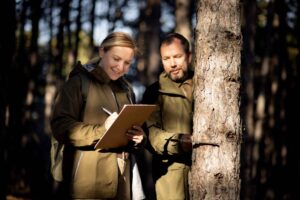
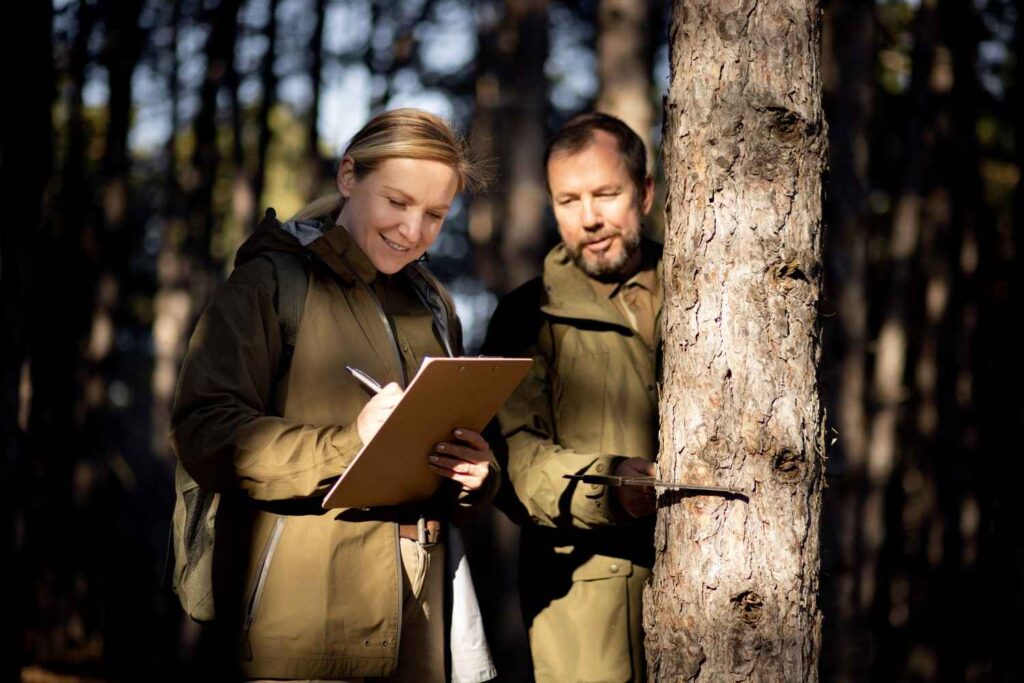
A professional arborist evaluation is structured yet practical. It begins with a visual inspection and often moves into deeper analysis if required.
The arborist examines:
- Trunk condition, including cracks or decay
- Root zone health and soil compaction
- Canopy spread, density, and leaf condition
- Structural balance and weight distribution
This process identifies early signs of tree disease, even before they become visible to an untrained eye. It also highlights environmental stress factors such as poor drainage or nearby construction.
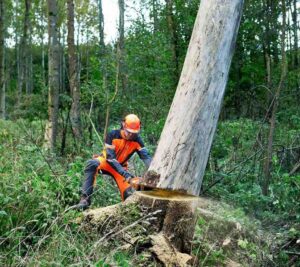
Unlike guesswork, this process provides clear, actionable insights. It helps determine whether pruning, soil treatment, or removal is necessary.
Spotting Early Signs Before They Escalate
Trees rarely fail overnight. Most issues develop slowly, giving subtle clues along the way. Recognising these signs of tree disease early can prevent larger problems.
Look for:
- Discoloured or sparse foliage
- Unusual leaf drop outside seasonal patterns
- Cracks or cavities in the trunk
- Fungal growth near the base
These indicators often point to underlying tree disease or environmental stress. A timely tree health assessment can confirm the cause and guide the next steps.
For strata and commercial properties, early detection reduces maintenance costs. For homeowners, it protects both safety and aesthetics.
Why Regular Tree Health Assessments Matter
Trees are living structures. They grow, adapt, and sometimes struggle. Regular tree health assessments ensure they remain assets rather than risks.
Here is why consistency matters:
- This service supports safety by identifying weak branches or unstable roots. It protects people, buildings, and vehicles from unexpected hazards.
- It also enhances growth. Healthy trees develop stronger canopies and better resistance to pests and tree disease.
For property managers, routine tree health assessments demonstrate due diligence. They show care, responsibility, and compliance with local standards.
The Role of an Arborist in Tree Health Assessment
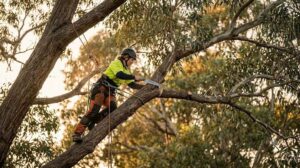
An arborist inspection is not just about observation. It brings trained judgement and local knowledge into the process.
Arborists understand species-specific behaviour. They know how Australian natives respond to drought, pruning, and soil conditions. This insight ensures recommendations are practical and effective.
They also recognise subtle signs of tree disease that may not be obvious. Their assessment considers both current conditions and future risk.
A qualified arborist turns a simple check into a strategic plan for tree care.
Tree Health Across Different Property Types
Tree care needs vary depending on the environment. A tree health assessment adapts to each setting.
Residential Properties
Homeowners benefit from safer outdoor spaces and healthier gardens. Regular checks help prevent unexpected branch failure and manage tree disease early.
Commercial Properties
Businesses rely on appearance and safety. A well-maintained landscape reflects professionalism. Professional tree care ensures trees support that image.
Strata Properties
Shared spaces require consistent care. Routine tree health assessments help manage risk across multiple areas and keep residents safe.
Public Spaces
Parks and streetscapes need balanced care. Trees must remain safe while contributing to the environment. Identifying signs of tree disease early helps maintain this balance.
Long-Term Benefits of Tree Health Assessment
A single tree health assessment provides immediate insights. Ongoing assessments create lasting value.
Healthy trees improve air quality, reduce heat, and enhance property appeal. They also live longer and require fewer emergency interventions.
Addressing tree disease early prevents spread and reduces treatment costs. Monitoring signs of tree disease ensures issues are managed before they escalate.
Over time, consistent tree care builds a stronger, more resilient landscape.
When Should You Schedule a Tree Health Assessment?
Timing matters. While a tree health assessment can be done at any time, certain moments are ideal.
After storms, it helps identify structural damage. During seasonal changes, it reveals stress patterns. Before construction, it protects existing trees from impact.
Regular intervals are equally important. Annual or biannual tree health assessments keep trees on track and reduce surprises.
Choosing the Right Approach
A thoughtful approach to tree care begins with understanding. A tree health assessment is not about finding faults. It is about supporting growth, safety, and longevity.
Whether you manage a home, a commercial site, or a public space, the value remains the same. Healthy trees create better environments. They offer shade, beauty, and stability.
And it all starts with knowing their condition.
If you want safer surroundings and stronger landscapes, a professional tree health assessment is the smart place to start. From identifying early signs of tree disease to delivering reliable arborist tree health assessment insights, the right team makes all the difference. Whether you manage a home, business, or shared property, consistent tree health assessments help prevent costly issues and support long-term growth.
Connect with Affordable Tree Specialists today and give your trees the care they deserve.
FAQs
A tree health assessment evaluates a tree’s condition, structure, and environment to identify risks and improve growth.
Regular tree health assessments are recommended annually or after major weather events.
Common signs of tree disease include discoloured leaves, fungal growth, and unusual leaf drop.
An arborist tree health assessment provides expert insight into tree condition and future risks.
Yes, untreated tree disease can spread, making early detection through tree health assessments essential.
Yes, tree health assessments identify hazards like weak branches and structural instability.