A tree in the yard often begins as a welcome presence. It offers shade on bright afternoons, softens harsh sunlight, and adds a sense of calm to everyday life. Yet over time, growth, weather exposure, and structural decline can change its role from asset to liability.
When branches stretch over roofs, roots disturb paving, or storms leave a tree unstable, homeowners face a practical decision. Residential tree removal is not about removing beauty from a landscape. It is about protecting homes, improving safety, and planning for a healthier outdoor space.
Understanding when removal is necessary and how the process works helps homeowners act with confidence rather than urgency.
Why Residential Tree Removal Becomes Necessary
Trees are resilient, but they are not immune to damage, disease, or structural stress. Removal is often considered when safety risks increase or when the tree begins affecting nearby structures.
Storm damage is a frequent cause. Strong winds can weaken root systems or fracture major limbs. Structural decline, such as trunk cavities or fungal growth, may indicate internal decay. When stability is compromised, removal reduces risk to people and property.
Urban growth also creates space conflicts. Trees planted decades earlier may now sit too close to homes, fences, or underground utilities. In these situations, residential tree removal prevents long-term structural damage and costly repairs.
Warning Signs You Should Not Ignore
Some indicators of tree failure are subtle, while others are immediately obvious.
Watch for:
- Dead or falling limbs
- Deep cracks or splits in the trunk
- Noticeable lean developing over time
- Roots lifting paving or damaging foundations
- Pest infestations or fungal growth
- Branches touching power lines
If any of these signs appear, a professional residential tree removal service can assess the tree’s condition and recommend the safest course of action.
Safety and Compliance Considerations
Tree removal is complex and requires careful planning. Working at height, handling heavy timber, and managing falling limbs pose serious risks without proper training and equipment.
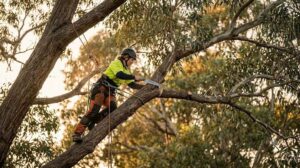
Qualified professionals use rigging systems and controlled dismantling techniques to protect surrounding structures and landscaping.
Local regulations may also govern tree removal. Certain species or tree sizes may require approval before removal. An experienced residential tree removal service can advise on compliance and documentation requirements, ensuring the process runs smoothly.
What Happens During the Residential Tree Removal Process
For many homeowners, the removal process is unfamiliar. Understanding each stage helps reduce uncertainty.
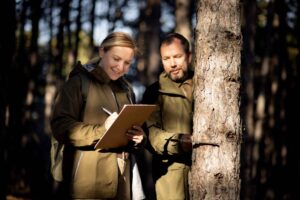
The process begins with a site inspection. Specialists evaluate tree health, structural stability, and surrounding hazards.
Next, the work area is prepared. Safety zones are established, and nearby features such as fences, lawns, or garden beds are protected.
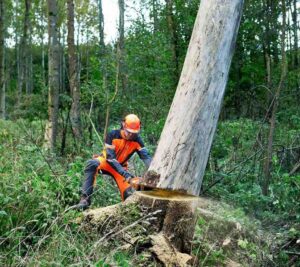
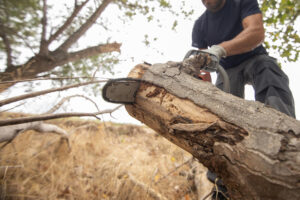
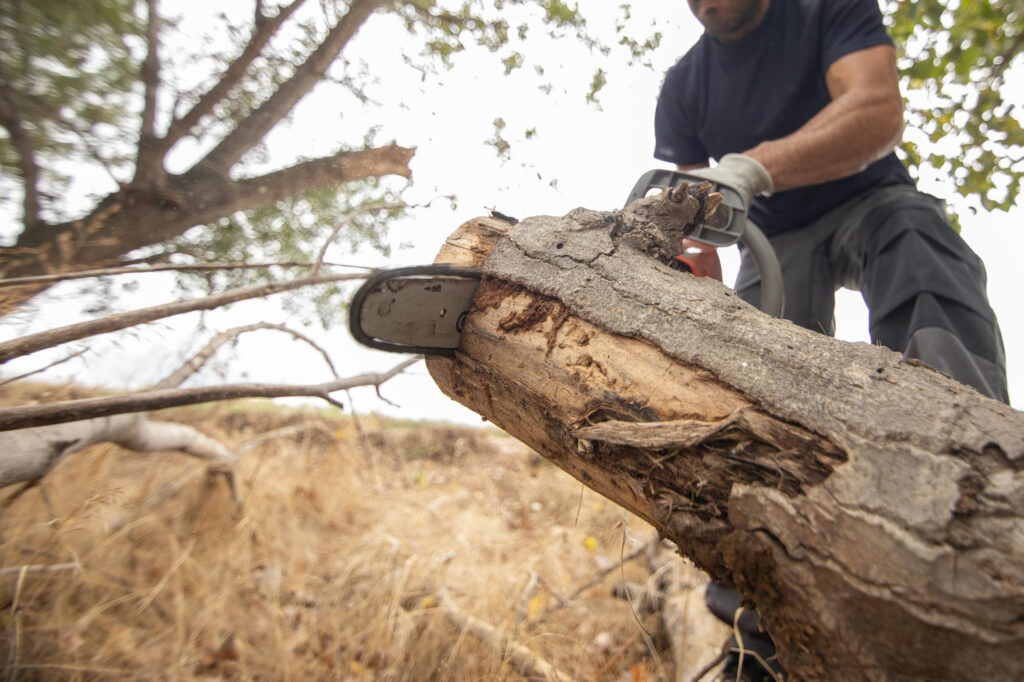
Removal typically occurs in sections. Branches are removed first to reduce weight, followed by trunk sections carefully lowered using rigging systems. Once complete, debris is cleared and stump grinding may be performed.
This structured method ensures residential tree removal is completed safely and efficiently.
How Removal Can Improve Your Outdoor Space
Removing an unsuitable or hazardous tree can transform the usability of a yard.
Excessive shade can prevent grass growth and create damp conditions. Overcrowded branches restrict airflow and limit sunlight. Removing problematic trees improves light penetration and encourages healthier plant growth.
A well-balanced landscape is also easier to maintain. By undertaking residential tree removal, homeowners often create safer and more functional outdoor living areas.
Understanding Residential Tree Removal Cost
Costs vary depending on site conditions and tree characteristics. Larger trees require specialised equipment and more labour. Limited access or proximity to buildings increases complexity and safety requirements.
Factors influencing pricing include:
- Tree height and diameter
- Accessibility of the site
- Proximity to structures or utilities
- Waste removal and cleanup
- Stump grinding requirements
Obtaining a professional quote ensures the residential tree removal cost reflects the specific challenges and safety measures required.
Environmental Responsibility After Removal
Tree removal does not mean losing greenery permanently. Many homeowners choose to replant with species better suited to available space and soil conditions.
Selecting native or appropriately sized trees supports biodiversity while reducing future maintenance issues. A knowledgeable residential tree removal service can suggest replacement options that thrive in residential settings.
When Pruning Is Not Enough
Pruning can extend a tree’s life and improve structure, but it is not always sufficient. If disease has spread through the trunk or more than half the canopy is compromised, removal may be the safest option.
Trees that continue to damage foundations, plumbing lines, or roofing may also require permanent removal. In these cases, residential tree removal offers a long-term solution that protects both property and safety.
Choosing Qualified Professionals Matters
Selecting experienced specialists ensures safe work practices and reliable outcomes. Licensed and insured teams follow industry safety standards and use appropriate equipment.
A reputable residential tree removal service provides clear communication, transparent pricing, and thorough cleanup once work is complete.
Professional expertise ensures the removal process protects your home while preserving the surrounding landscape.
Trees enhance residential spaces, yet safety and practicality must guide decisions. Understanding the purpose and process of residential tree removal allows homeowners to act early and avoid preventable damage. With the right approach, removal becomes an opportunity to improve safety, restore balance, and create a more functional outdoor environment.
If a tree on your property is creating safety concerns or damaging structures, professional support ensures the right outcome. Affordable Tree Specialists delivers dependable residential tree removal service solutions.
Contact the team today to protect your home and restore harmony to your outdoor space.
FAQs
It is necessary when a tree poses safety risks, shows structural decline, or damages property. Professional assessment confirms the need for removal.
Regulations vary by council and tree size. A residential tree removal service can advise on local requirements.
Most residential removals take several hours to a full day, depending on tree size and site complexity.
Tree size, access, safety risks, and cleanup needs influence the overall price.
Stump grinding prevents regrowth, removes hazards, and prepares the area for landscaping.
Yes. Choosing the right species and placement ensures healthy growth and prevents future structural issues.