Let’s be honest: citrus trees aren’t just “set and forget.” Sure, they’ll survive a bit of neglect, but if you want juicy oranges, tangy lemons and fruit you can actually enjoy, you’ve got to show them a little love. In Hervey Bay, our warm subtropical climate gives citrus the perfect playground, but even the healthiest tree will lose shape or stop fruiting without a bit of routine care. That’s where knowing how to prune citrus trees properly comes in.
This isn’t just about tidying up branches or keeping the neighbours happy. Pruning citrus trees is about encouraging better airflow, light penetration and strong fruiting limbs. Whether you’re managing a backyard tree, strata garden or commercial grove, getting your pruning right makes a noticeable difference. And luckily, you don’t need a horticulture degree to do it.
Why Prune Citrus Trees?
In Hervey Bay, QLD, citrus trees thrive, sometimes too well. Left unpruned, they can become overly dense, tangled or too tall to manage. That extra growth might seem healthy, but it’s not helping your fruit production. In fact, it often blocks sunlight and airflow, creating the perfect storm for pests, fungal issues, and reduced yields.
When you understand how to prune citrus trees, you give the plant a chance to refocus its energy where it matters: fewer but stronger branches and more, better-quality fruit.
Pruning also lets you shape the tree for easier harvests and maintenance. In commercial and strata settings, it reduces risk too. Overgrown trees can drop heavy fruit, scrape buildings or tangle with nearby structures, not ideal for shared spaces.
When Is the Right Time to Prune Citrus Trees in Australia?
Timing is half the battle. For most citrus varieties in Australia, the ideal window for pruning is late winter to early spring, just before new growth kicks in. That’s usually August to early September in Hervey Bay.
Avoid heavy pruning during the peak fruiting months or extreme heat periods, as this can stress the tree. Light maintenance pruning, like removing dead or damaged branches, can be done anytime, but your main cuts should wait for the cooler, calm part of the growing cycle.
This seasonal approach aligns with how to properly prune citrus trees without shocking them.
How to Prune Citrus Trees: The 7 Practical Rules
Learning how to prune citrus trees is all about balance. Too much, and you risk sunburn or stunting. Too little, and you’re left with a messy, unproductive canopy.
Here are 7 simple rules that actually work:
1. Start With the Dead Weight
Remove all dead, diseased or dying wood first. These branches aren’t helping your tree. They attract pests and diseases and should be cut right back to the base or the nearest healthy shoot.
2. Open the Centre
Citrus trees like sunlight. An open, vase-shaped structure helps sunlight reach the inner branches and fruit. Thin out crossing branches that crowd the centre to improve airflow and reduce fungal problems.
3. Focus on Structure, Not Size
Avoid hacking the tree back just to control its height. Instead, select a few strong, outward-facing branches to keep and trim away competing shoots. This helps shape a balanced canopy and keeps fruit within reach.
4. Shorten, Don’t Strip
Resist the urge to “skin” your citrus tree. Instead of cutting whole branches off at the trunk, trim long branches by about one-third. This controls size without harming overall productivity.
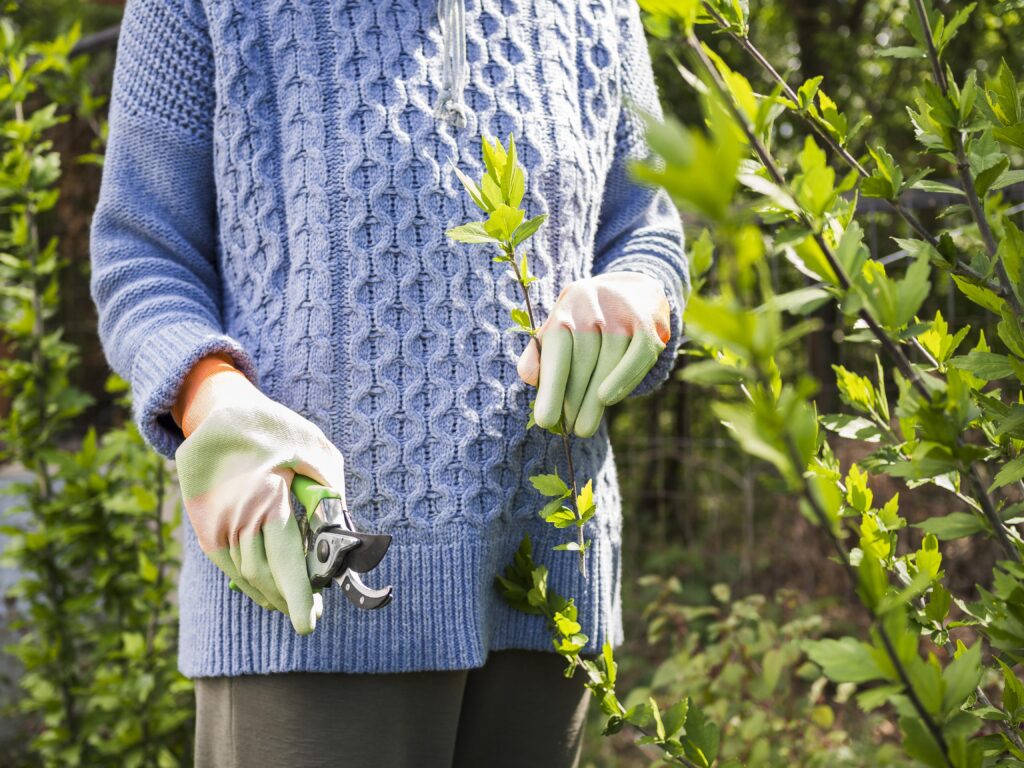
5. Cut Above Outward Buds
Make cuts just above a healthy outward-facing bud. This encourages new growth to spread outward rather than clutter the centre.
6. Clean Your Tools
Always disinfect your secateurs between trees. Pruning citrus trees without clean tools risks spreading infections like citrus canker.
7. Less Is More
Over-pruning weakens the tree. If in doubt, take a step back and review your progress before making more cuts. You can always prune a little more next season.
Common Mistakes to Avoid
Knowing how to properly prune citrus trees also means knowing what not to do. Here are a few frequent mistakes seen in residential and commercial gardens alike:
- Pruning in the wrong season: You risk frost damage or sunburn if you cut at the wrong time.
- Cutting too close or too far from a bud: This slows healing and encourages disease.
- Ignoring water shoots: These fast-growing vertical shoots drain energy. Remove them early.
- Heavy topping: Never shear off the top of the tree like a hedge. It encourages weak, rapid regrowth.
- Skipping cleanup: Always clear away trimmings to avoid attracting pests.
Should You Prune Different Citrus Varieties Differently?
Mostly, the same rules apply, but there are small differences. Lemons are vigorous and may need more regular control. Mandarins, being compact, often require lighter touch-ups. Oranges and grapefruit grow larger and might need more shaping early on to avoid becoming top-heavy. Regardless of type, pruning citrus trees with a consistent yearly plan ensures healthier yields.
Pruning for Public and Strata Spaces
For public areas, commercial sites and strata-managed properties, citrus tree trimming and pruning must balance aesthetics with safety and productivity. Low-hanging branches can pose hazards, while excessive fruit drop on footpaths can be slippery and unsightly.
A scheduled pruning plan carried out annually (or semi-annually) ensures trees stay tidy, productive and easy to maintain. That’s especially important for schools, parks and shared gardens where safety and appearance matter just as much as the fruit.
Citrus trees might look easy-going, but if you want the best from them, learning how to prune citrus trees is essential. Whether it’s a lemon tree in a backyard or a mandarin grove on a commercial site, regular, thoughtful pruning citrus trees helps produce tastier fruit, stronger branches and healthier trees all round.
If you’re not sure how to properly prune citrus trees or just don’t have the time, let the experts handle it. At Affordable Tree Specialists, we take the guesswork out of pruning citrus trees Australia-wide with tailored services for residential, strata and commercial properties.
FAQs
Late winter to early spring is best, usually August to early September. This timing avoids heat stress and prepares the tree for the new season.
Prune once a year for structure and fruiting, and lightly trim throughout the year as needed to remove dead or damaged wood.
It’s not recommended. Pruning while fruit is developing can stress the tree and reduce your harvest.
The basics are similar, but lemons may need more frequent trimming, while mandarins and oranges often need shape control early on.
Use clean, sharp secateurs or loppers. For thicker branches, a pruning saw helps. Always disinfect tools between trees.
Remove them early, cutting as close to the trunk as possible. These shoots don’t produce fruit and drain energy from the tree.
Yes, especially when managed by professionals. It improves safety, tree health and overall appearance of the landscape.
Trimming refers to light shaping. Pruning is more targeted, focusing on structure, airflow and fruit production.