Palm trees are a familiar part of the Hervey Bay landscape, valued for their shade, coastal character and ability to suit seaside conditions. While palms are often seen as resilient, they can become hazardous when their structure or root system is compromised. In these situations, delaying action can expose people and property to unnecessary risk. Understanding when emergency palm tree removal is required allows property owners to respond early and maintain a safe environment.
Palms behave differently from other tree types. They rely on a single growing point and a fibrous root system rather than spreading structural roots. Once damage occurs, palms rarely recover. Problems can progress quickly, particularly in coastal Queensland where strong winds, heavy rain and storms place additional stress on trees. The following warning signs indicate when urgent attention may be needed.
Six Warning Signs You May Need Emergency Palm Tree Removal
Recognising early warning signs allows property owners to act before a situation becomes dangerous. Palms can deteriorate quickly once stressed, especially in coastal conditions. The following indicators highlight when a palm may pose an immediate risk and should be assessed without delay to maintain safety.
1. Leaning or Shifting Palms
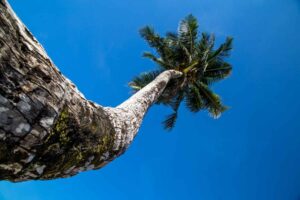
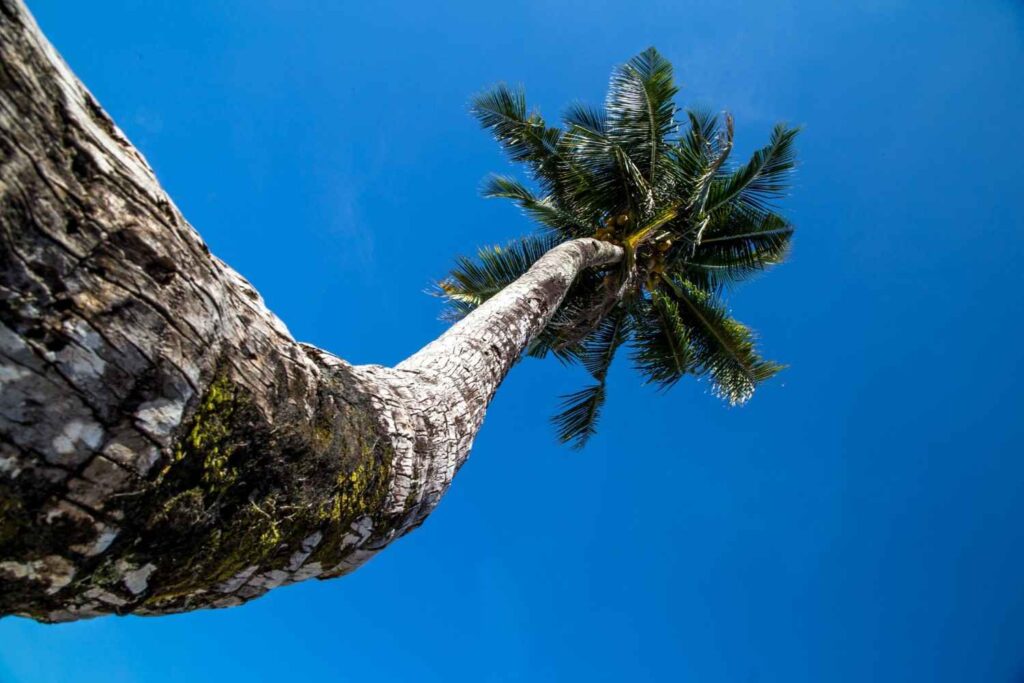
A palm that begins to lean or shift position is one of the most common indicators of instability. This often occurs after prolonged rain, cyclonic conditions or saturated soil that weakens the root system. Unlike other trees, palms cannot correct their balance once roots lose grip in the soil.
Even a slight lean that was not previously present should be taken seriously. A palm may appear stable at first but can fail suddenly once its root plate is compromised. In residential settings, this creates a risk to homes, vehicles, fences and outdoor living areas. Early assessment helps determine whether the palm can be stabilised or if emergency removal is the safest option.
2. Cracked or Splitting Trunks
The trunk of a palm supports its entire canopy. Visible cracks, vertical splits or soft sections in the trunk signal internal structural failure. These issues may develop after storm impact, repeated stress from wind exposure or advanced decay.
Palms do not regenerate damaged trunk tissue. Once the trunk’s integrity is affected, the risk of collapse increases significantly. In many cases, removal is recommended to prevent unpredictable failure that could result in injury or property damage.
3. Dead or Falling Fronds
Palm fronds can be extremely heavy, particularly on mature trees. Dead fronds hanging overhead present an immediate hazard, especially in areas where people park vehicles, walk or spend time outdoors. If fronds are falling without warning or appear loose and unstable, urgent attention is required.
Regular shedding of large fronds may also indicate underlying stress or decline within the palm. In emergency situations, removal may be necessary to eliminate the risk entirely, particularly when fronds are positioned above roofs, driveways or public access areas.
4. Storm or Cyclone Damage
Hervey Bay experiences periods of severe weather that can cause both visible and hidden damage to palms. After storms, a palm may appear intact while suffering internal stress that worsens over time. Warning signs include exposed roots, soil lifting around the base, sudden leaf loss or a noticeable change in the tree’s posture.
Storm damaged palms can fail days or even weeks after the initial weather event. For this reason, post storm inspections are essential. Emergency palm tree removal is often required when damage compromises stability and poses a risk to surrounding structures or occupants.
5. Signs of Disease or Decay
Disease and decay progress rapidly in palms. Discolouration, fungal growth, unpleasant smells or a hollow sound when the trunk is tapped can all indicate internal deterioration. Once decay is present, the palm’s strength declines quickly.
Infected palms rarely recover, and treatment options are limited. Allowing a decaying palm to remain standing increases the likelihood of sudden collapse. Removal in these cases is usually the safest and most practical solution.
6. Palms Growing Too Close to Structures or Power Lines
Location plays a major role in determining risk. Palms positioned close to houses, sheds, fences or power lines become far more dangerous when they weaken. Even minor structural issues can result in impact damage or service disruption.
In tight spaces, emergency palm tree removal requires careful planning and controlled execution to avoid secondary damage. Acting early reduces complexity and helps keep removal work safe and efficient.
Why Acting Quickly Matters
When a palm shows signs of failure, time is critical. Delaying action can lead to escalating repair costs, insurance complications and potential injury. Falling palms and fronds cause significant damage due to their weight and height, particularly in high wind conditions.
Emergency palm tree removal focuses on reducing immediate danger and restoring safety to the property as soon as possible. Prompt response also limits the likelihood of further damage to nearby trees, gardens and structures.
Professional Assessment Makes the Difference
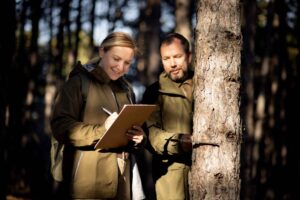
Not every palm showing stress requires removal, but accurate assessment is essential. Experienced arborists can identify whether a palm is structurally sound or beyond recovery. This assessment considers root condition, trunk stability, canopy health and surrounding hazards.
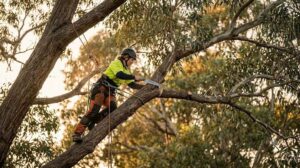
Attempting to manage a hazardous palm without professional equipment and training places people at serious risk. Emergency removals often involve complex rigging, controlled lowering and specialised access methods to ensure safety throughout the process.
Why Choose Affordable Tree Specialists
We understand the challenges palms present in coastal Queensland environments. With experience managing storm affected and unstable palms, the team provides clear assessments and practical solutions focused on safety.
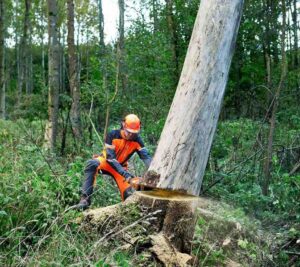
Using appropriate equipment and proven safety procedures, removals are carried out efficiently while minimising disruption to the surrounding property. Each emergency situation is approached with careful planning, clear communication and respect for the site.
If you are concerned about the safety of a palm on your Hervey Bay property, it is important not to wait for conditions to worsen. Contact us today for prompt assessment and emergency palm tree removal. Acting early can prevent costly damage, reduce risk and help keep your property safe.
FAQs
Emergency removal is needed when a palm poses an immediate risk to people, buildings, or services due to damage, instability, or decay.
In most cases, a leaning palm indicates root failure. Unlike other trees, palms rarely recover once stability is compromised.
Response times vary depending on conditions, but urgent cases are prioritised to reduce safety risks as quickly as possible.
Emergency situations often allow for removal without prior approval, especially when there is a clear safety risk. It is always best to confirm with a professional.
The service typically includes safe removal and cleanup. Stump treatment or removal can also be discussed if required.